Key takeaways
- Twins create value when they remain connected to real operational decisions.
- The data model and update process matter more than visual fidelity alone.
- Shared simulation environments can shorten the distance between design and operations.
Beyond the 3D model
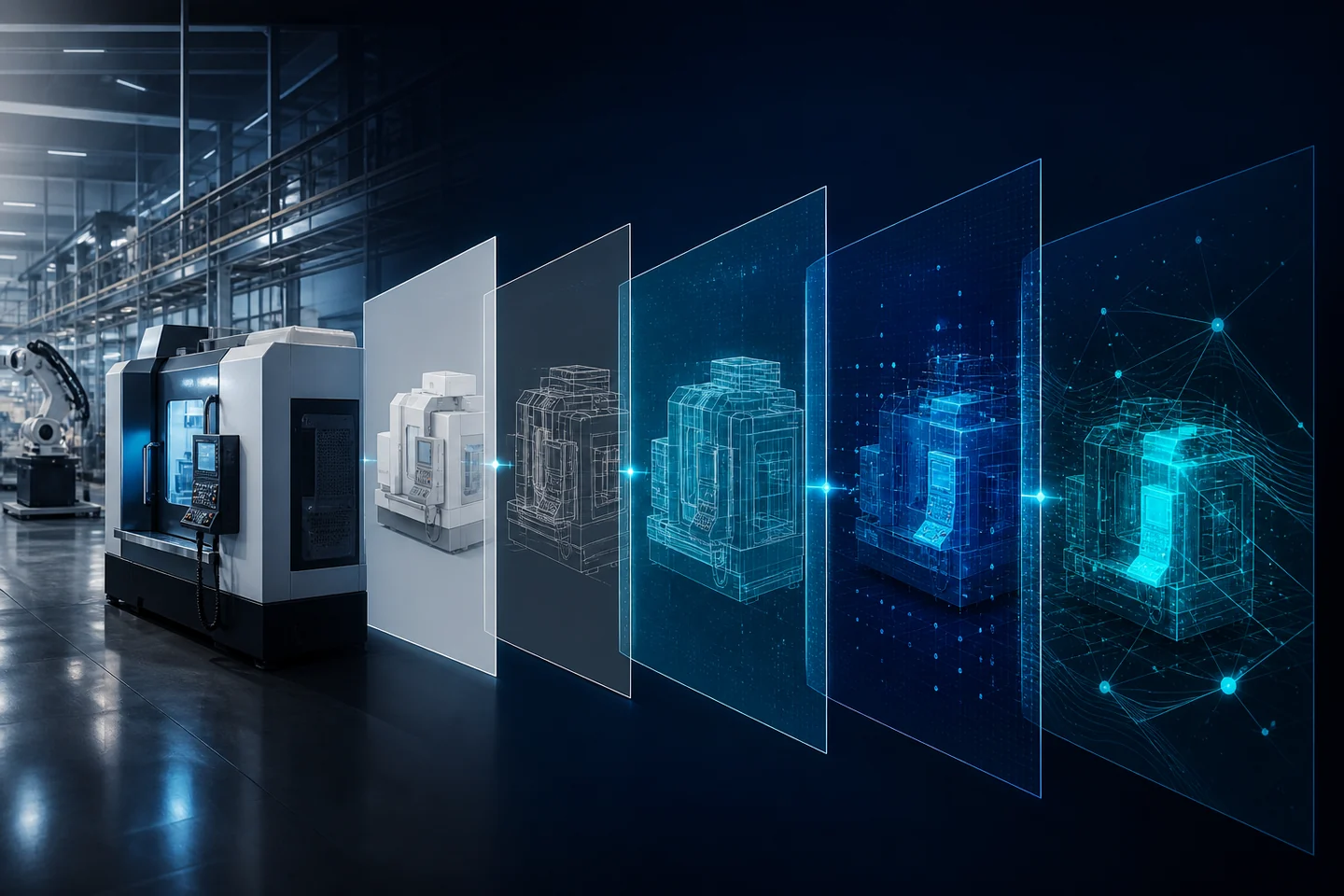
A digital representation becomes a twin when it changes with the system it represents and informs what happens next. That requires a reliable connection between engineering data, sensors, operating rules and the teams responsible for action.
A common operating context
The strongest use cases allow designers, factory operators and maintenance teams to work from the same model. This reduces translation loss between functions and makes it possible to test a change before applying it to a live asset.
The implementation test
A company should begin with one recurring decision: throughput, maintenance, energy use or layout. If the twin does not improve that decision, adding more visual detail will not rescue the business case.
Create a live contract between model and asset
The twin needs an explicit data contract: asset identifiers, units, timestamps, acceptable delay, quality rules and ownership for each input. When a sensor is missing or an engineering configuration changes, the twin should expose degraded confidence instead of quietly continuing with stale assumptions.
The output contract is equally important. It names who receives a diagnosis or recommendation, the decision window, authority to act and evidence retained. This prevents a predictive model from sitting beside the workflow without changing maintenance, planning or control.
- Authoritative source for each state
- Freshness and quality thresholds
- Decision owner and response time
- Fallback when the twin is unavailable
Advance through closed-loop evidence
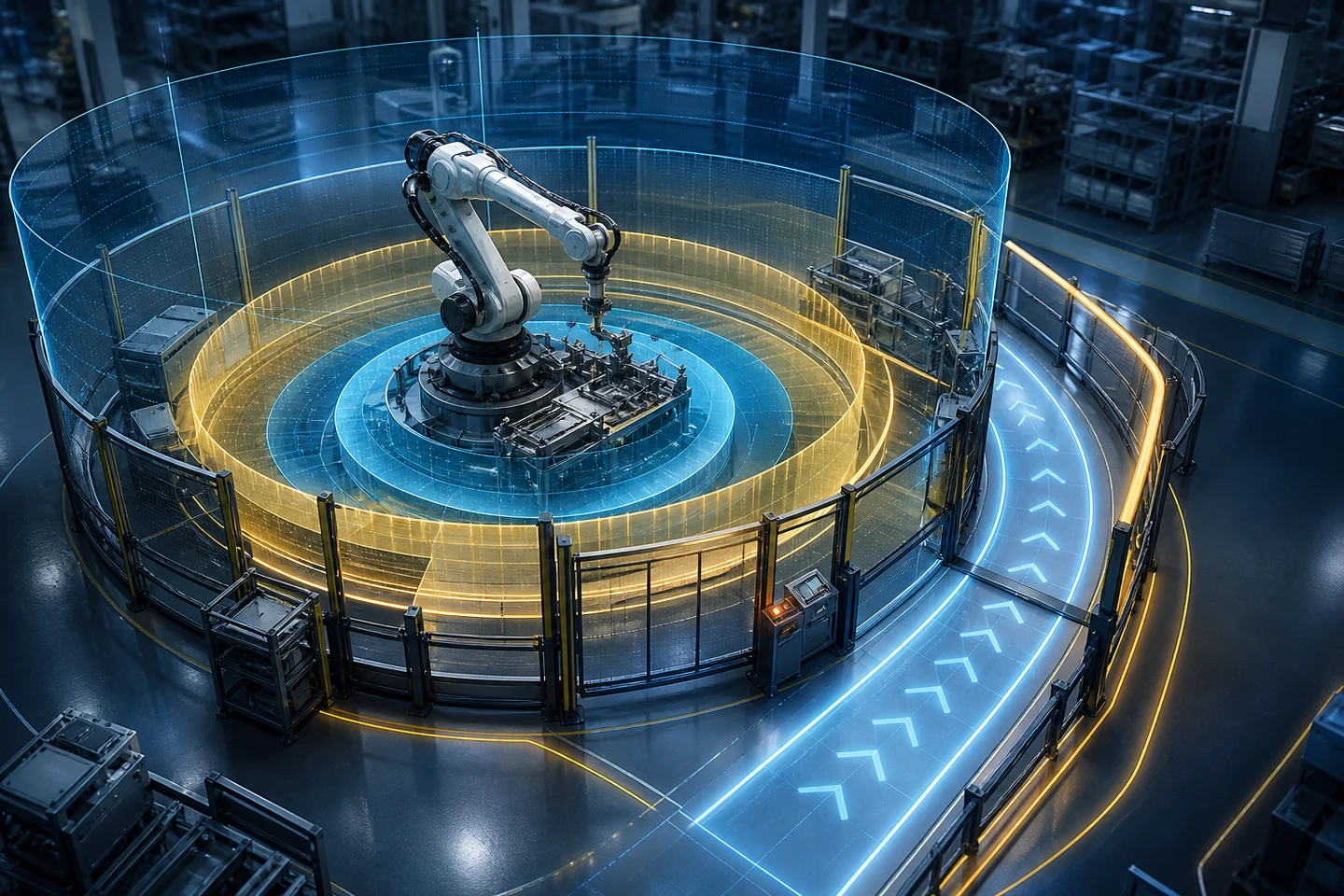
Teams should compare the twin's estimate with the physical outcome and record the action taken. That loop produces evidence of where the model is useful, biased or too uncertain. It also creates a defensible gate before recommendations are allowed to influence more consequential controls.
Direct automated control is not the default maturity target. In many plants, the highest-value state is a validated decision aid with a skilled operator retaining authority. Maturity is the reliability of the loop, not the amount of autonomy.
Evidence ledger
Industrial architecture analysis combining NIST digital-twin research with vendor implementation material. Vendor examples demonstrate possible workflows, not independently verified return.
NIST identifies interoperability, verification, validation and uncertainty as central challenges for trustworthy manufacturing digital twins.
Vendor platforms show how engineering and simulation can connect, but application-specific outcomes require operational validation.