
Enterprise AI · analysis
The enterprise AI agent evaluation scorecard
A practical control model for testing task completion, evidence quality, permissions, failure handling and operating cost before an agent reaches production.
Power, cooling, grids and physical capacity behind AI, electrification and industrial digitization.
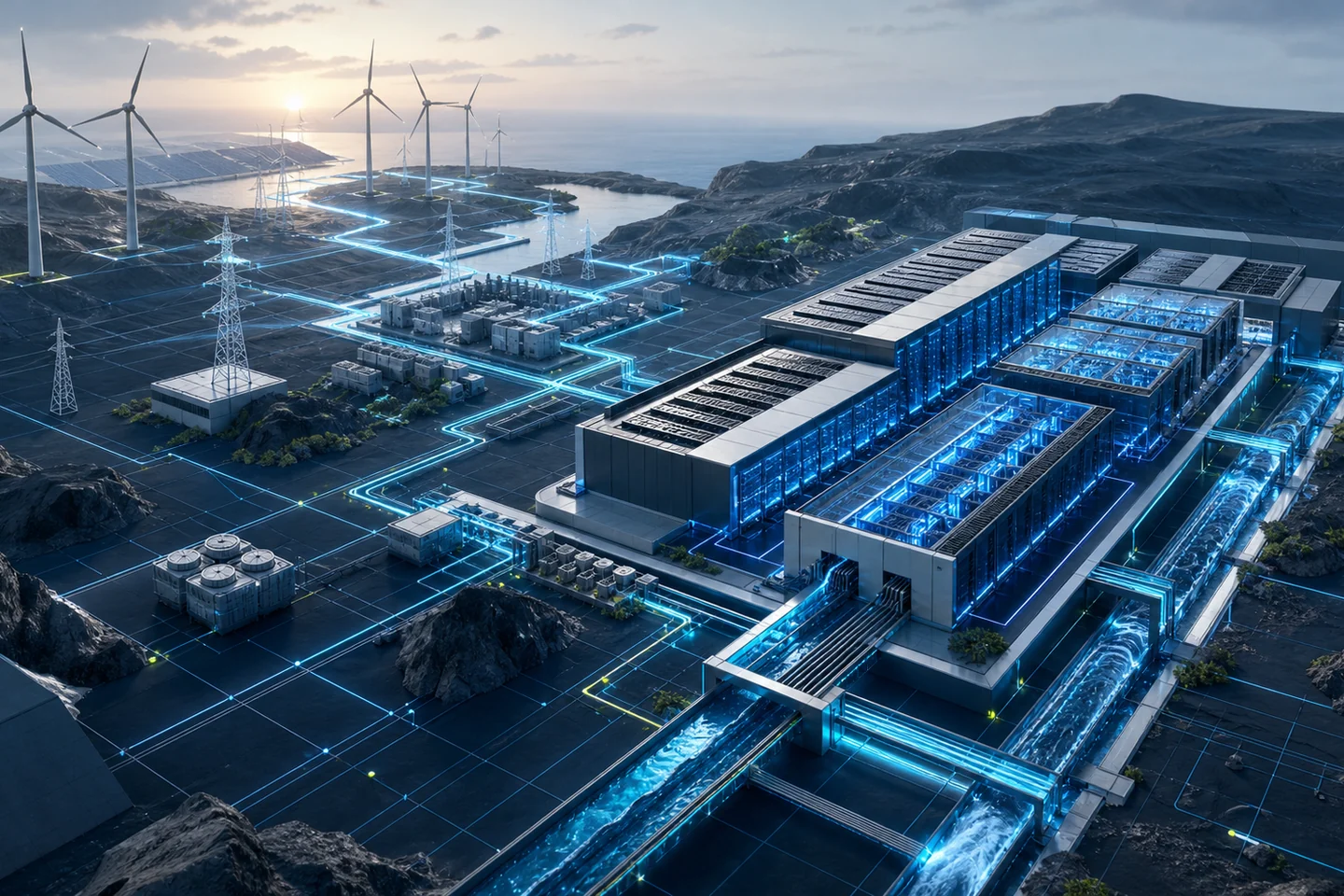
Digital growth depends on physical systems. Grid connections, cooling, water, substations, networks and permitting increasingly shape how quickly technology capacity can be deployed.
Actuneuriat connects these constraints to portfolio decisions so that infrastructure is treated as part of technology strategy rather than a late procurement step.
A practical control model for testing task completion, evidence quality, permissions, failure handling and operating cost before an agent reaches production.
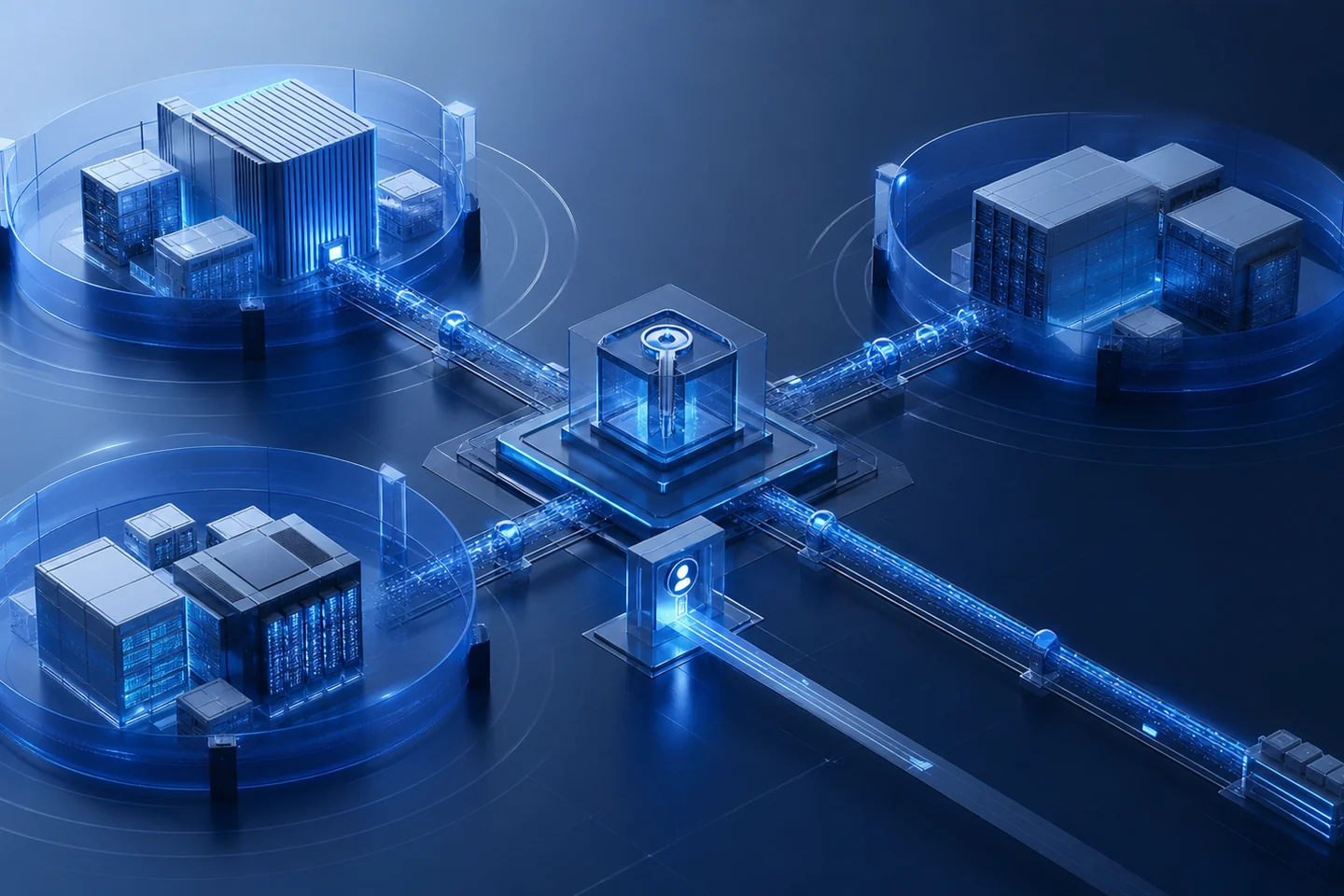
How buyers can translate sovereignty claims into testable requirements for access, jurisdiction, operations, portability and technical dependence.

A structured way to compare learning speed, strategic control, integration cost and reversibility before selecting an innovation route.
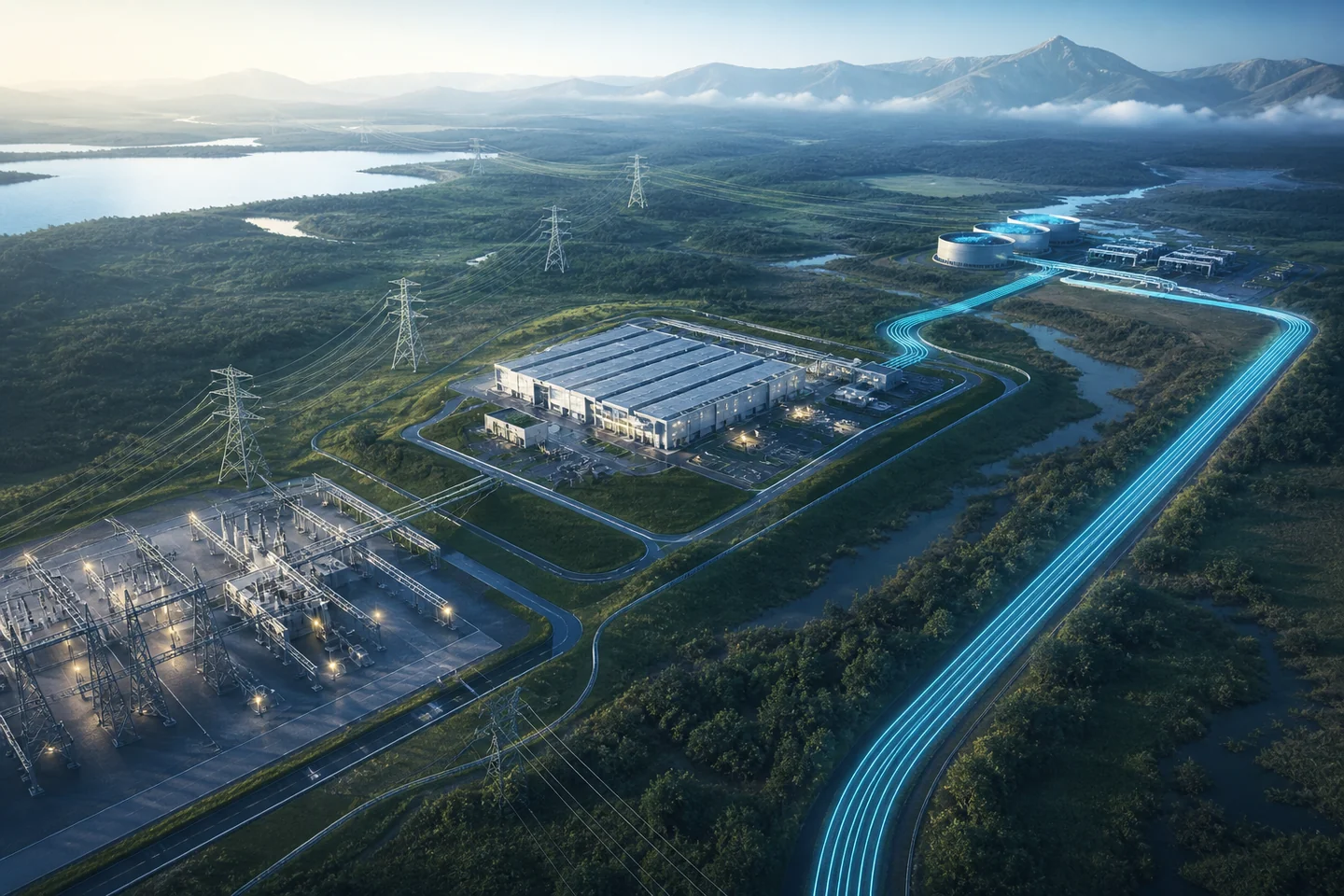
A decision framework for comparing capacity, connection timing, cooling, resilience and community constraints before committing AI infrastructure capital.

The strategic question is no longer whether a company can deploy an agent. It is whether the organization can redesign ownership, controls and work around it.

European organizations are turning abstract concerns about dependency into concrete requirements for hosting, portability and operational control.

Access to electricity, grid capacity and cooling innovation is starting to shape where AI infrastructure can grow—and who can afford it.

The right route depends less on enthusiasm for a technology than on strategic control, learning speed and the reversibility of the decision.

Europe may not lead the consumer model race, but its industrial base creates a different opportunity: intelligence embedded in machines, energy systems and regulated operations.