
Enterprise AI · analysis
The enterprise AI agent evaluation scorecard
A practical control model for testing task completion, evidence quality, permissions, failure handling and operating cost before an agent reaches production.
Compute architectures, chips, cloud concentration and sovereignty choices that define modern technology capacity.

Cloud and semiconductors form a connected capacity market. Architecture choices determine cost, performance, bargaining power and the practical ability to move a workload.
Coverage examines the full stack—from manufacturing and networking to managed services, cryptography and exit—without reducing strategy to a single chip or provider.
A practical control model for testing task completion, evidence quality, permissions, failure handling and operating cost before an agent reaches production.

How buyers can translate sovereignty claims into testable requirements for access, jurisdiction, operations, portability and technical dependence.

Five stages for distinguishing a useful operating twin from a visual model, and for deciding which data, decisions and ownership should be added next.
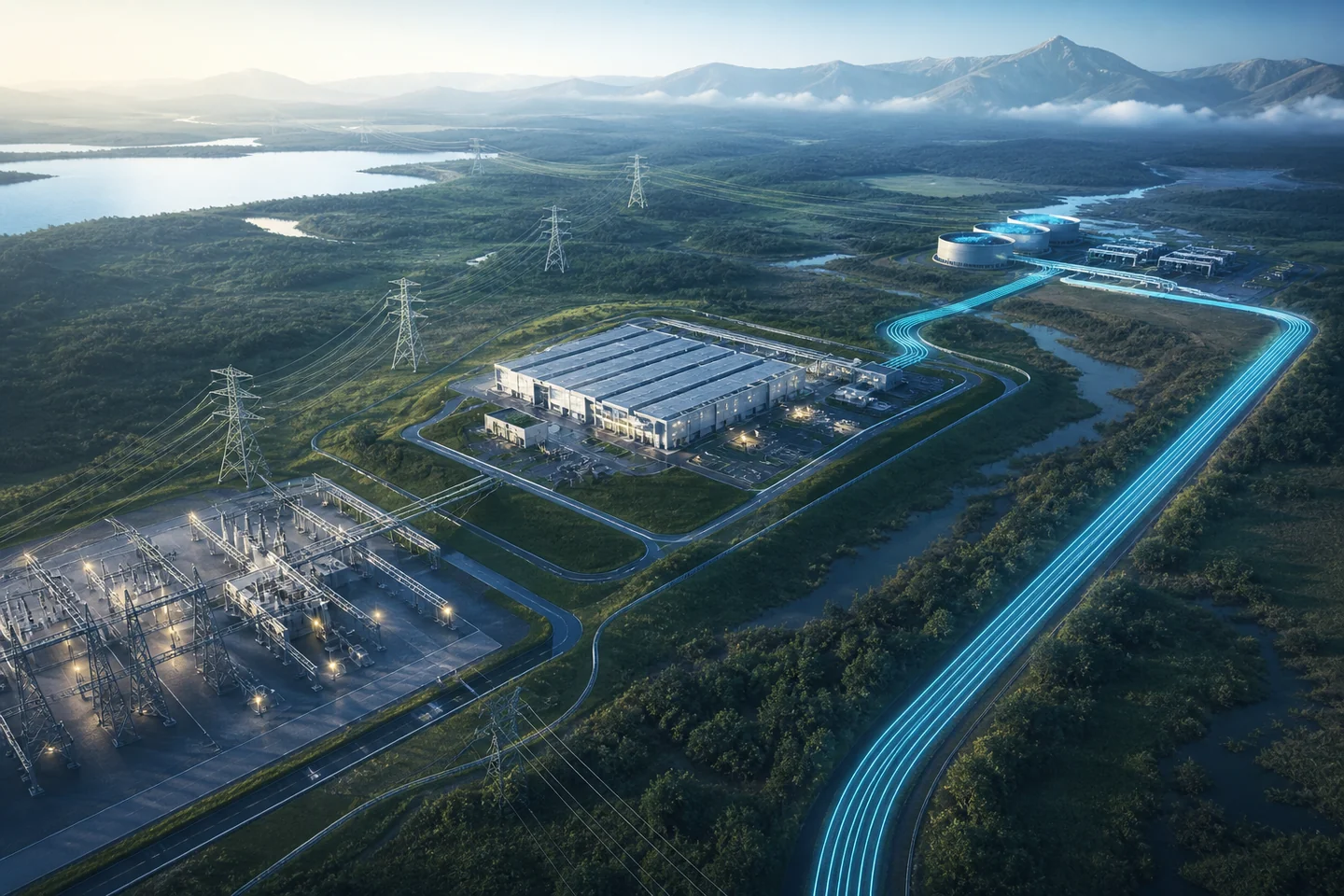
A decision framework for comparing capacity, connection timing, cooling, resilience and community constraints before committing AI infrastructure capital.

The strategic question is no longer whether a company can deploy an agent. It is whether the organization can redesign ownership, controls and work around it.

European organizations are turning abstract concerns about dependency into concrete requirements for hosting, portability and operational control.

Access to electricity, grid capacity and cooling innovation is starting to shape where AI infrastructure can grow—and who can afford it.
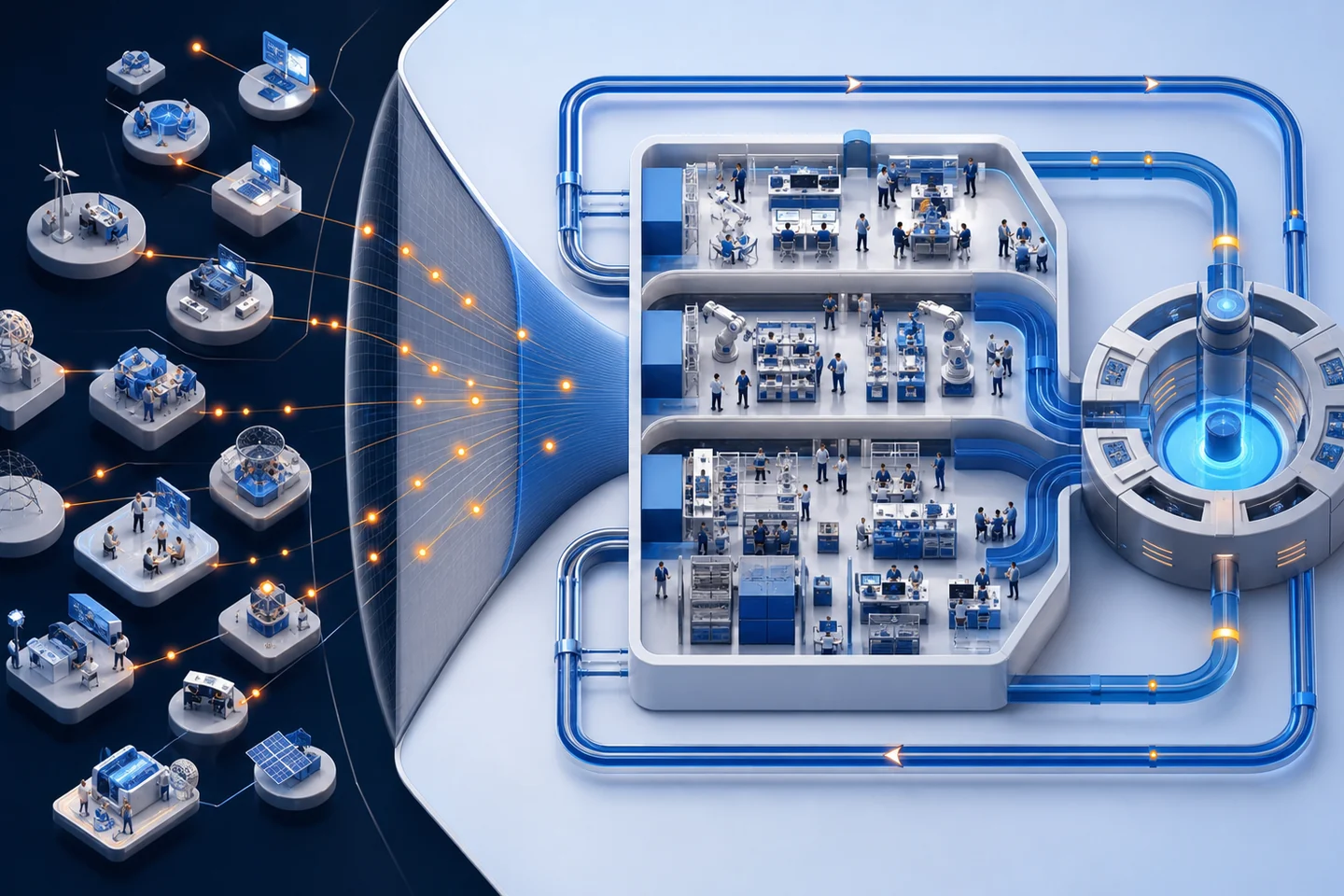
Strategic investors are being asked to show how portfolio access improves products, supply chains and internal learning—not only financial returns.

The value of a digital twin emerges when design, operations and maintenance share the same evolving model of a physical system.