Robotics & Manufacturing · analysis
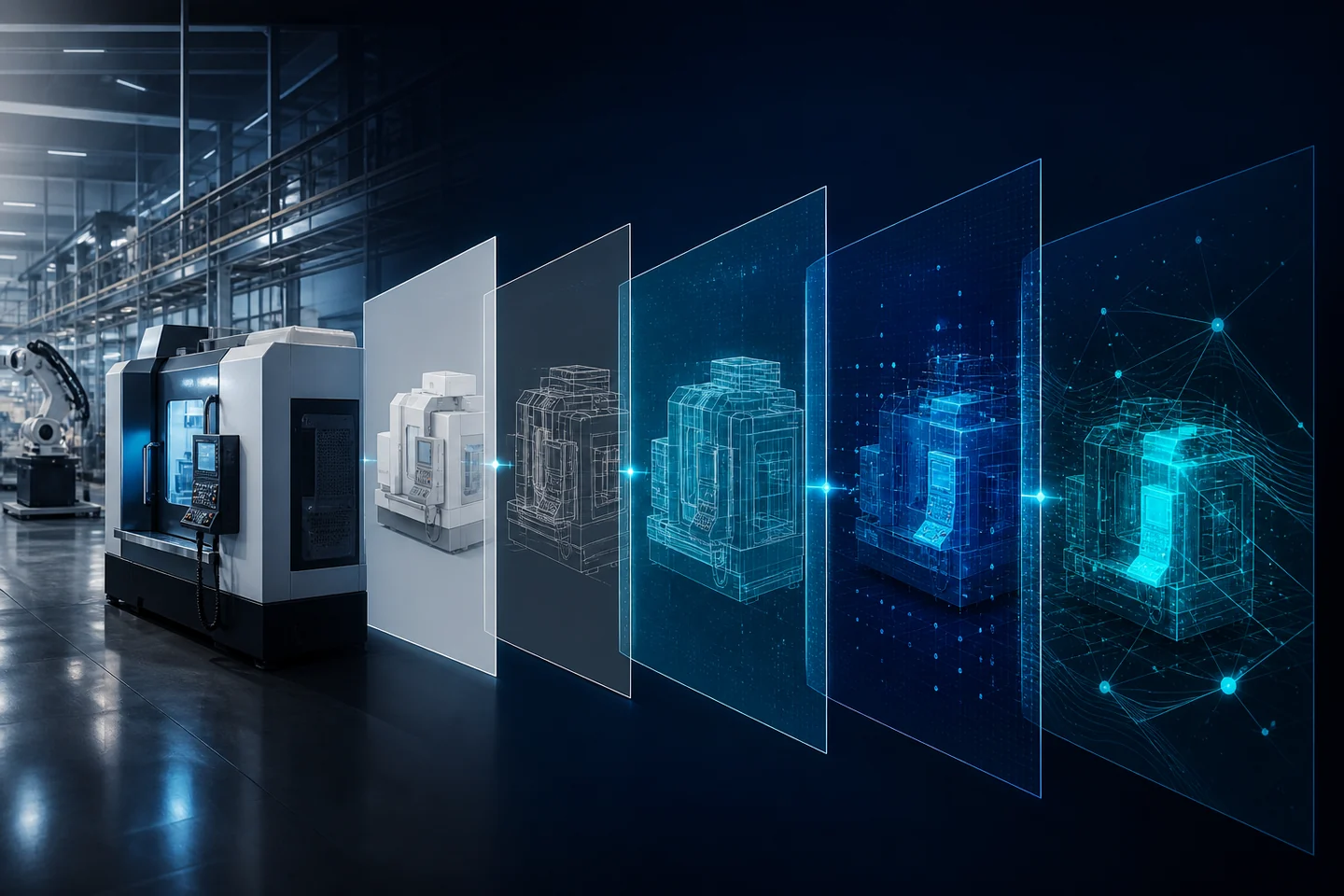
A digital-twin maturity model built for operations
Five stages for distinguishing a useful operating twin from a visual model, and for deciding which data, decisions and ownership should be added next.
Automation, autonomy and production systems reshaping movement of goods, people and industrial assets.

Mobility and logistics combine physical automation with high-consequence operating environments. Reliability depends on task design, safety, infrastructure and the handling of exceptions.
Actuneuriat follows deployment evidence and total system economics, separating a compelling demonstration from a capability that can operate repeatedly at useful scale.
Five stages for distinguishing a useful operating twin from a visual model, and for deciding which data, decisions and ownership should be added next.
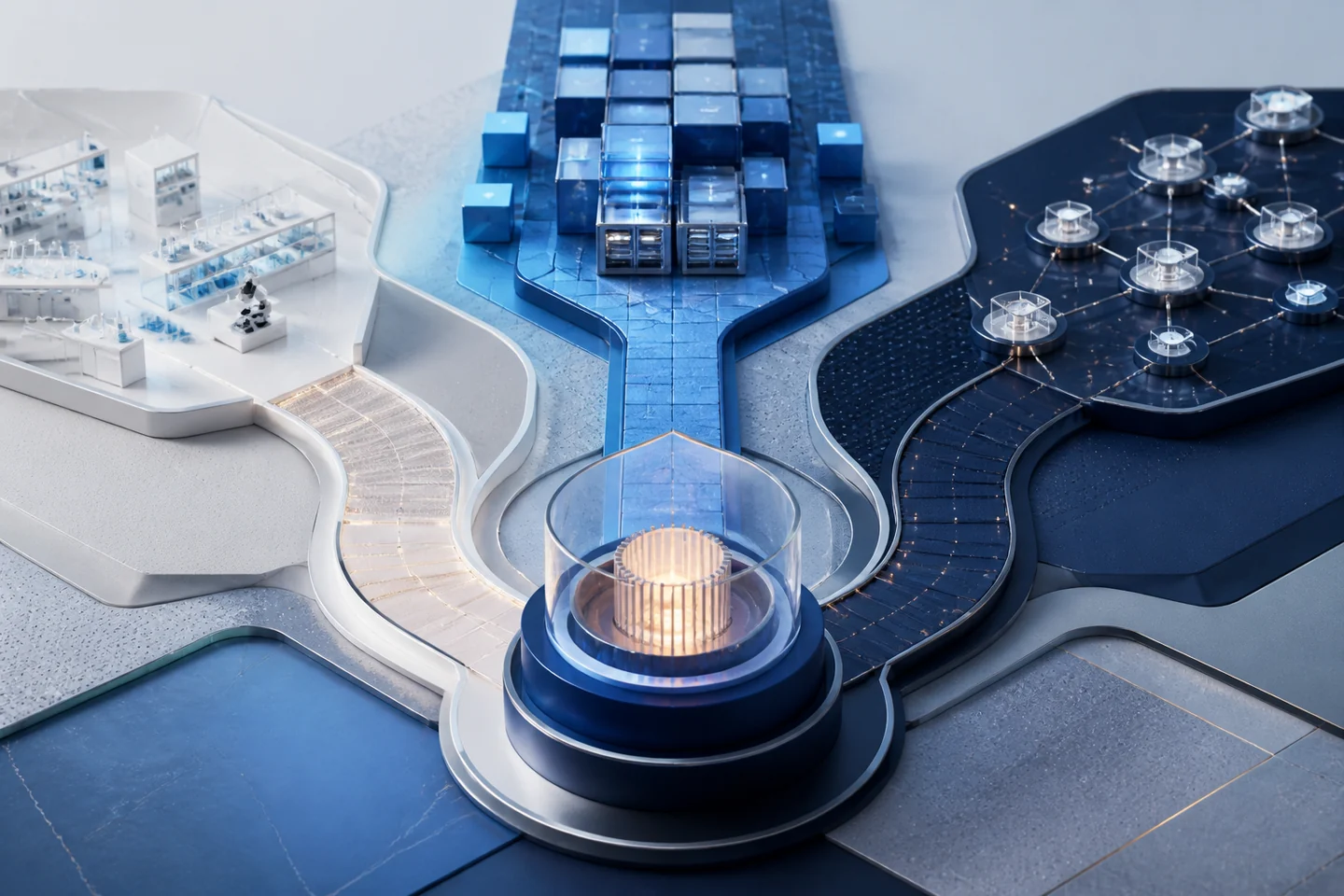
A structured way to compare learning speed, strategic control, integration cost and reversibility before selecting an innovation route.
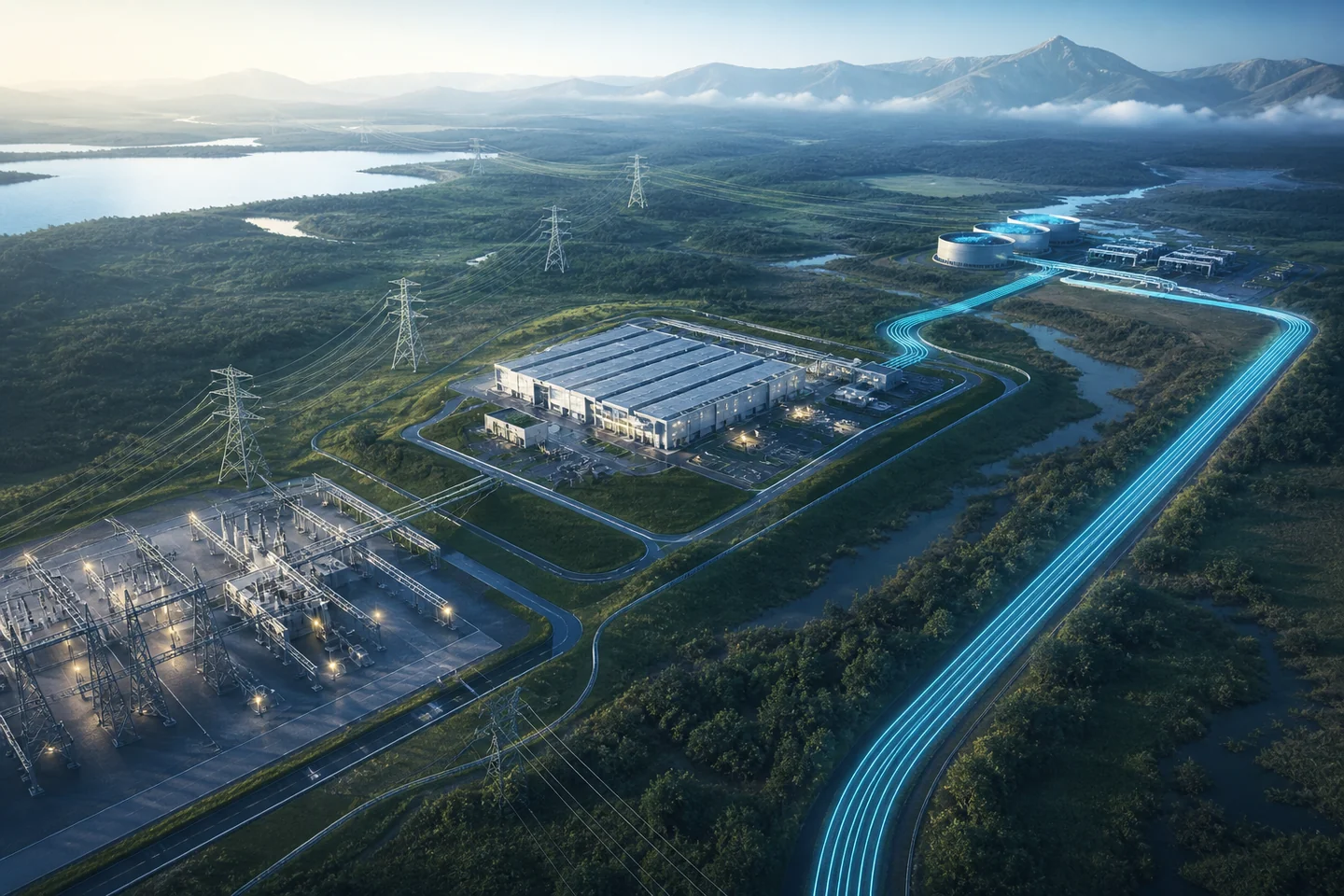
A decision framework for comparing capacity, connection timing, cooling, resilience and community constraints before committing AI infrastructure capital.
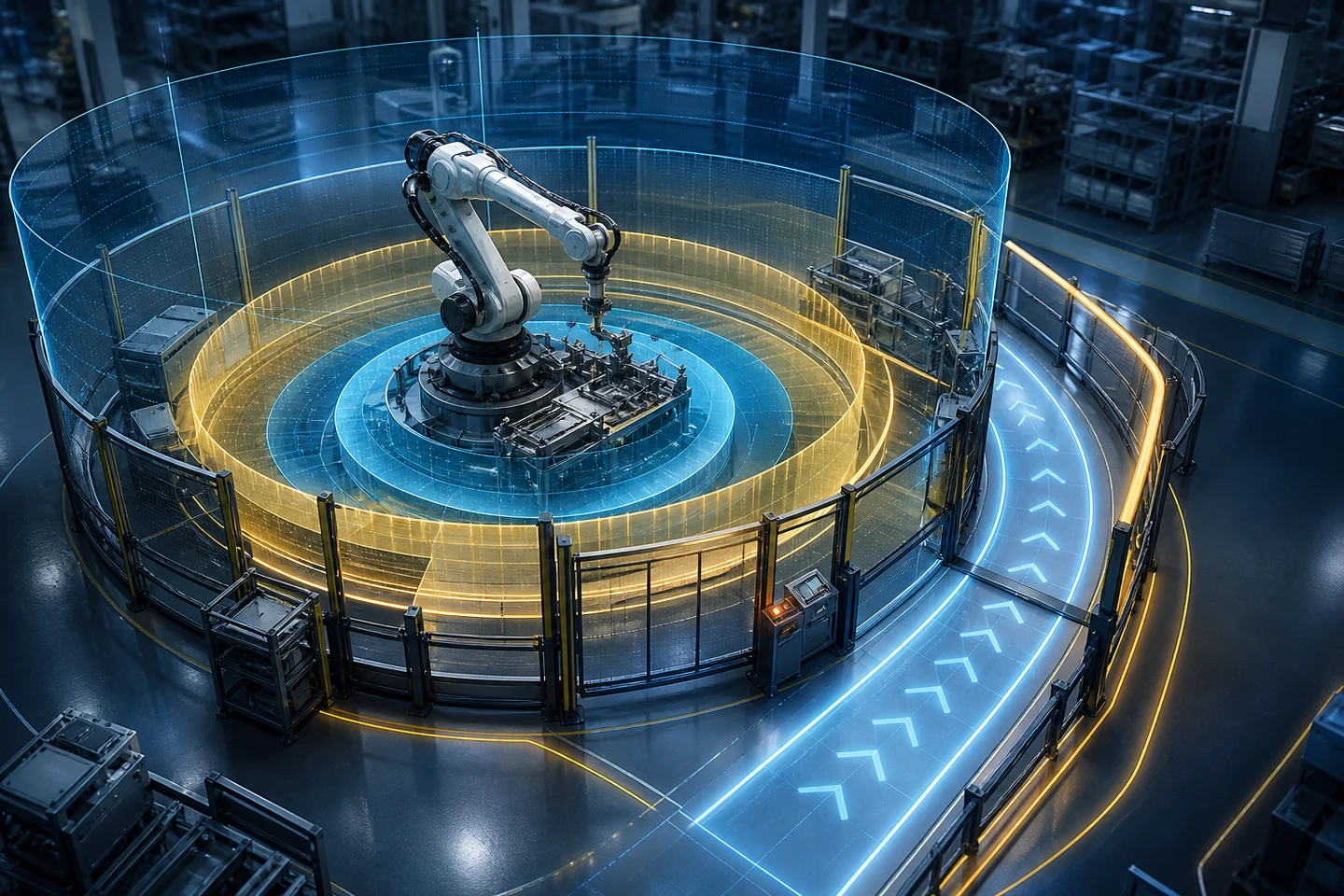
A practical operating checklist connecting task design, risk assessment, human interaction, change control and incident learning.
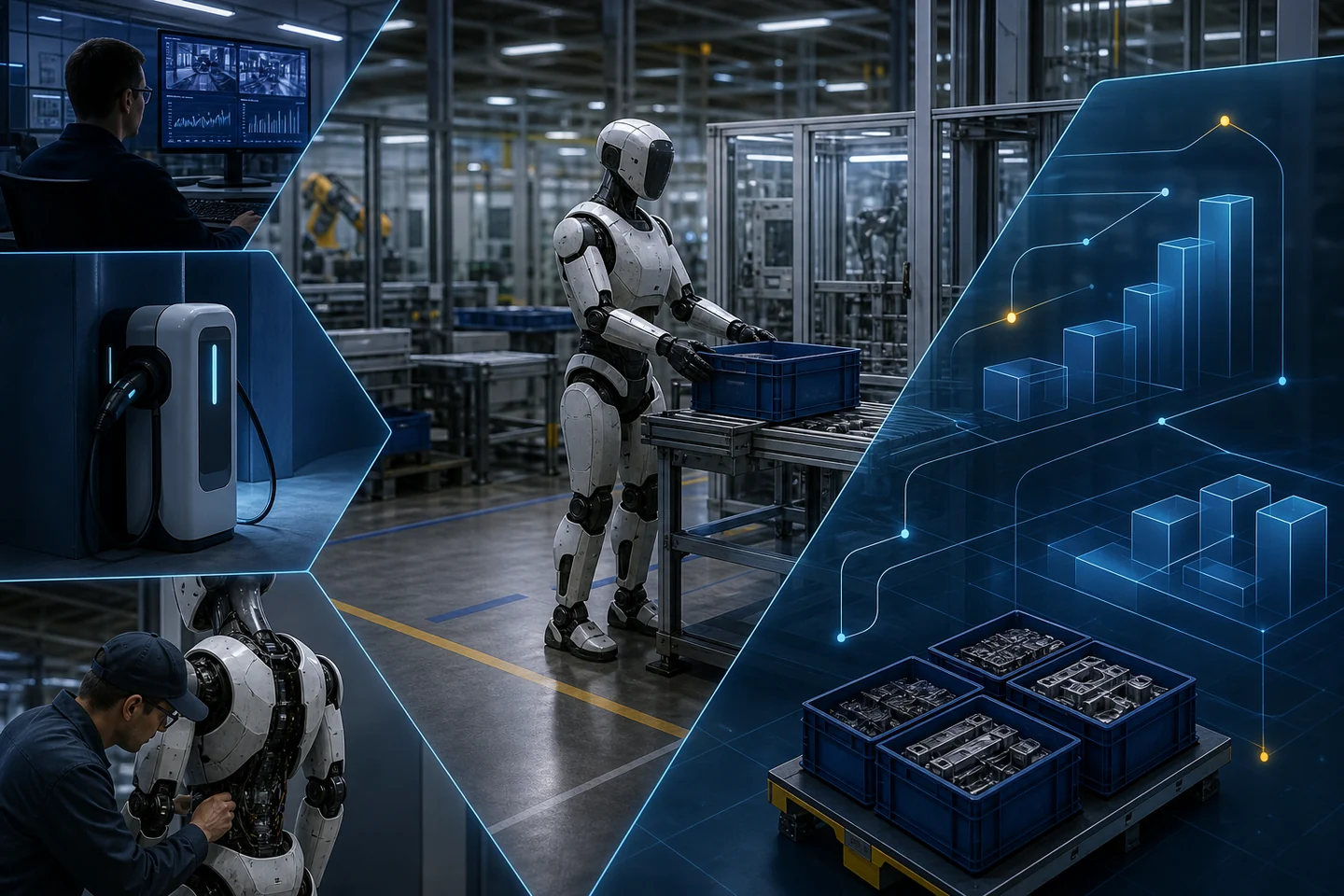
Impressive movement is not the same as an investable operating case. The decisive metrics sit inside reliability, integration and task economics.
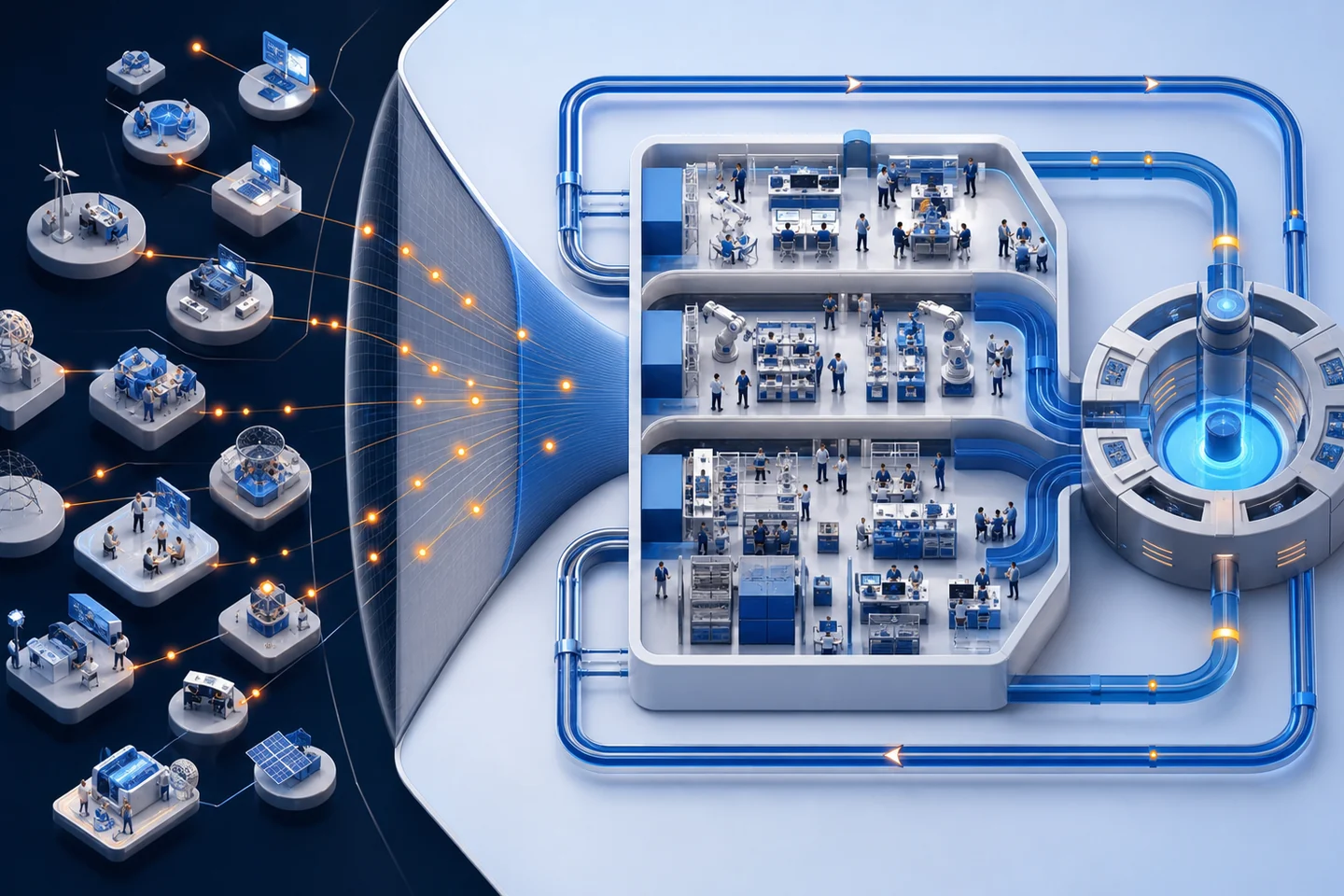
Strategic investors are being asked to show how portfolio access improves products, supply chains and internal learning—not only financial returns.
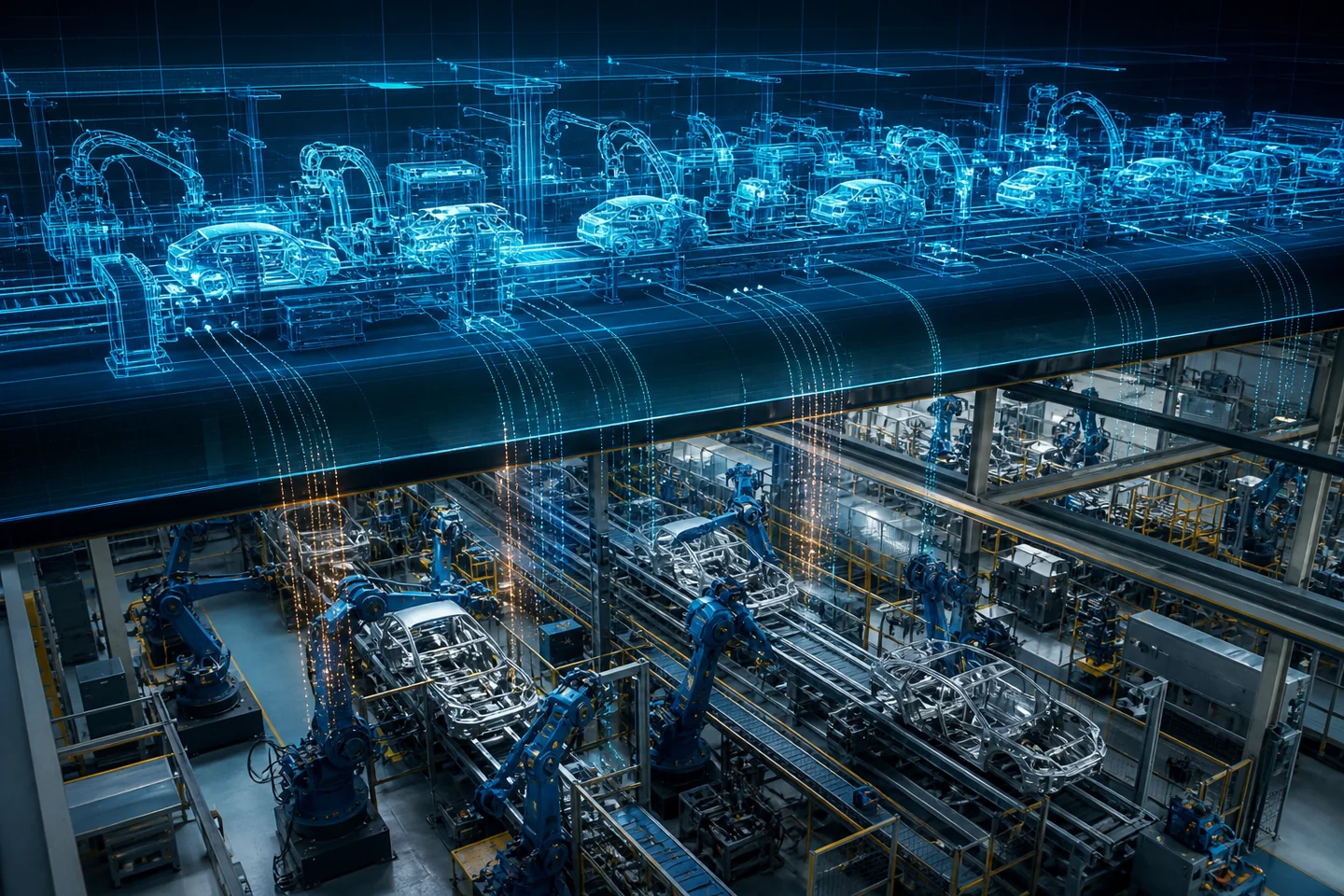
The value of a digital twin emerges when design, operations and maintenance share the same evolving model of a physical system.

The right route depends less on enthusiasm for a technology than on strategic control, learning speed and the reversibility of the decision.

A structured reading of the technologies, operating shifts and investment questions that deserve executive attention this quarter.